Taste of home
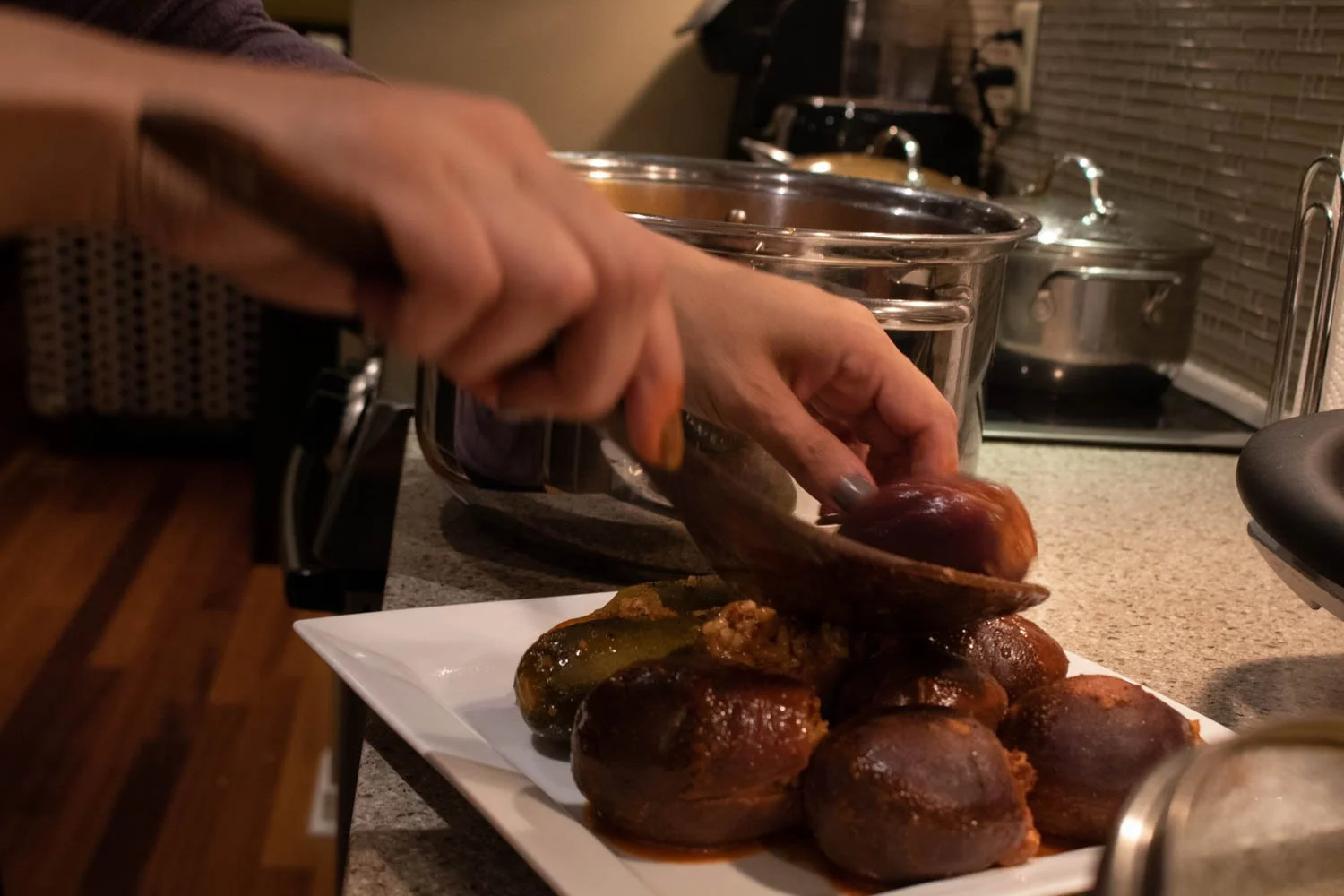
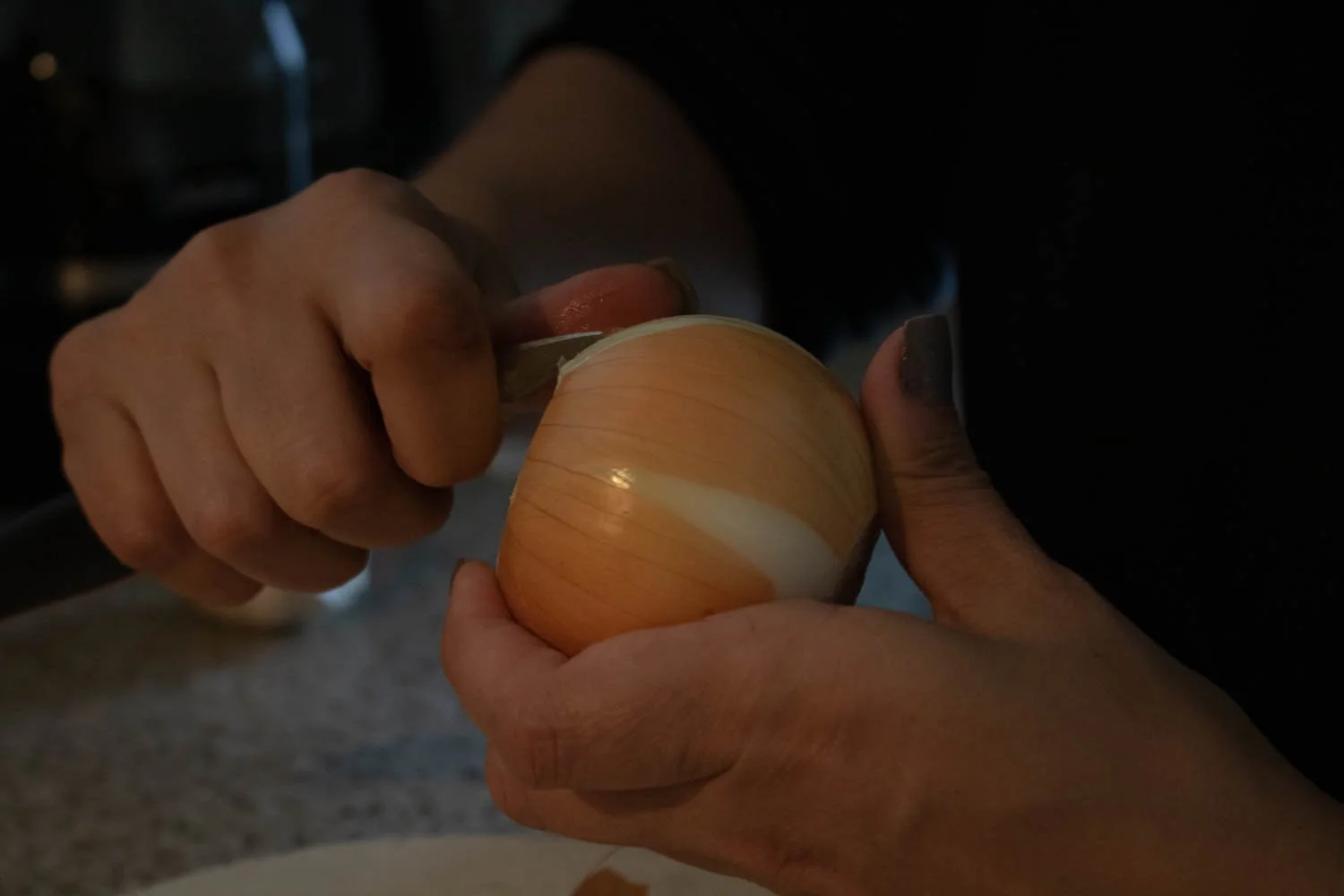
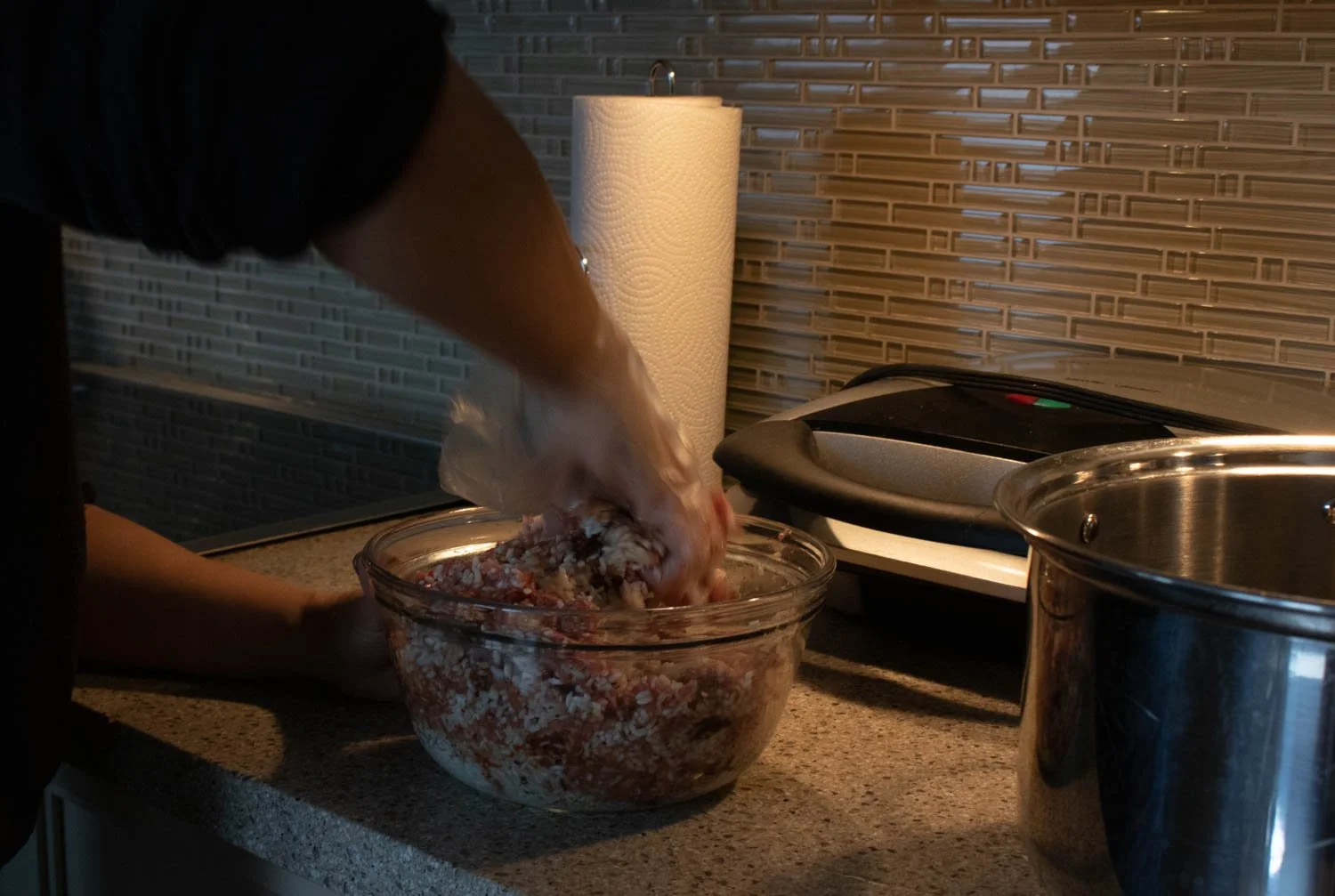
I chose to photograph a my mom cooking a middle eastern meal while living in Canada because it represents the different types of foods that people inside one country eat and consume. As a middle eastern woman and as someone who left her home country and all the things that brought her comfort at home, having a recipe like this always brought back the memories I had growing up. This meal specifically means a lot to me, and I know it means a lot to so many other middle easterners living in Canada.
Why now?
As the season starts to change from fall to winter, many people will notice that their hair is starting to break and fall. Which reminded me of an Arabic saying that goes along the lines of, it’s time to harvest eggplants when you see your hair fall. This is because eggplants contain healthy enzymes that stimulate the hair follicles, which promotes healthy hair growth. Eggplant is also high in water content, which helps to restore and soften those pesky brittle strands.
Tip: Wash your hair with eggplant juice to maintain the natural shine and luster of your hair.
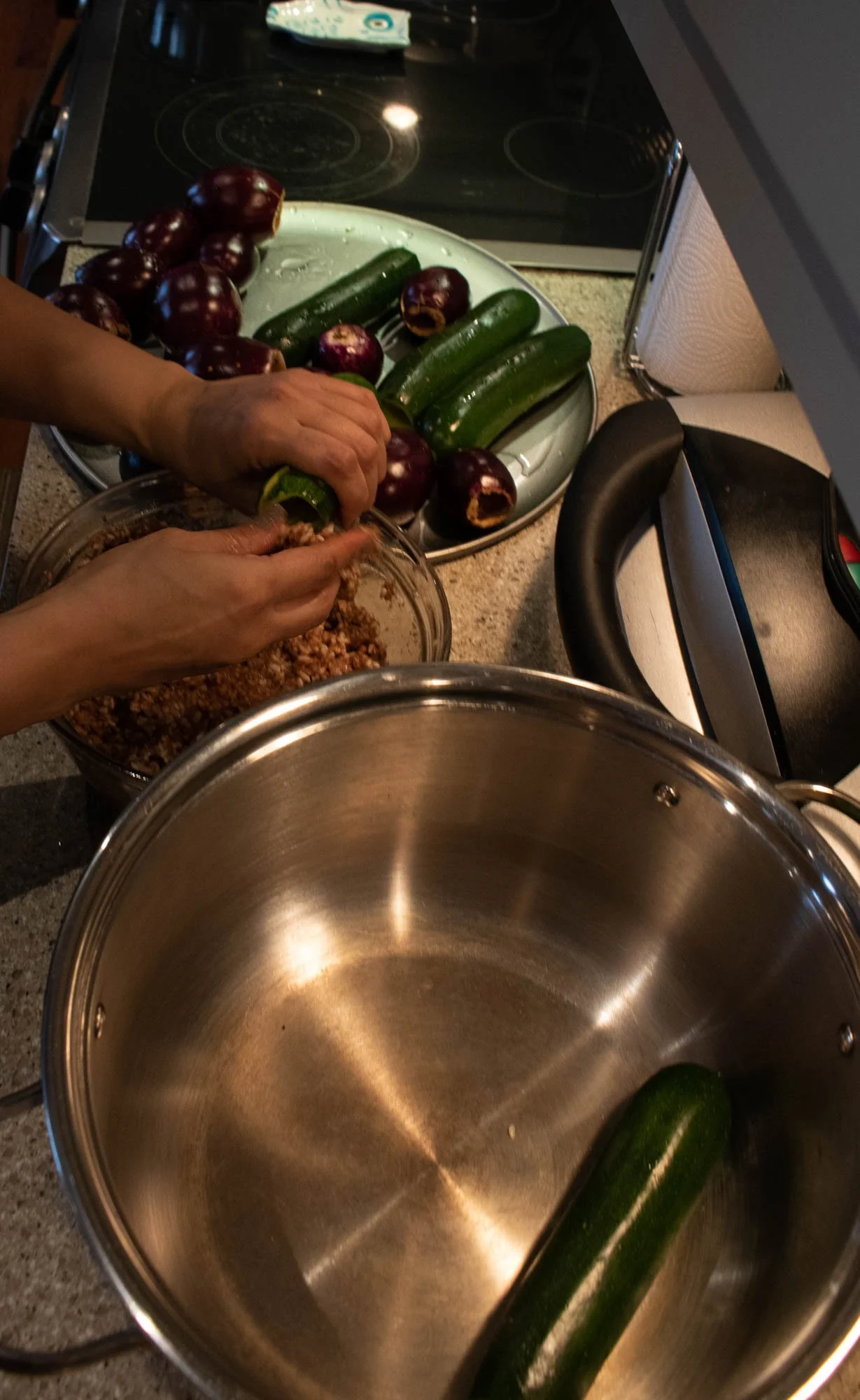
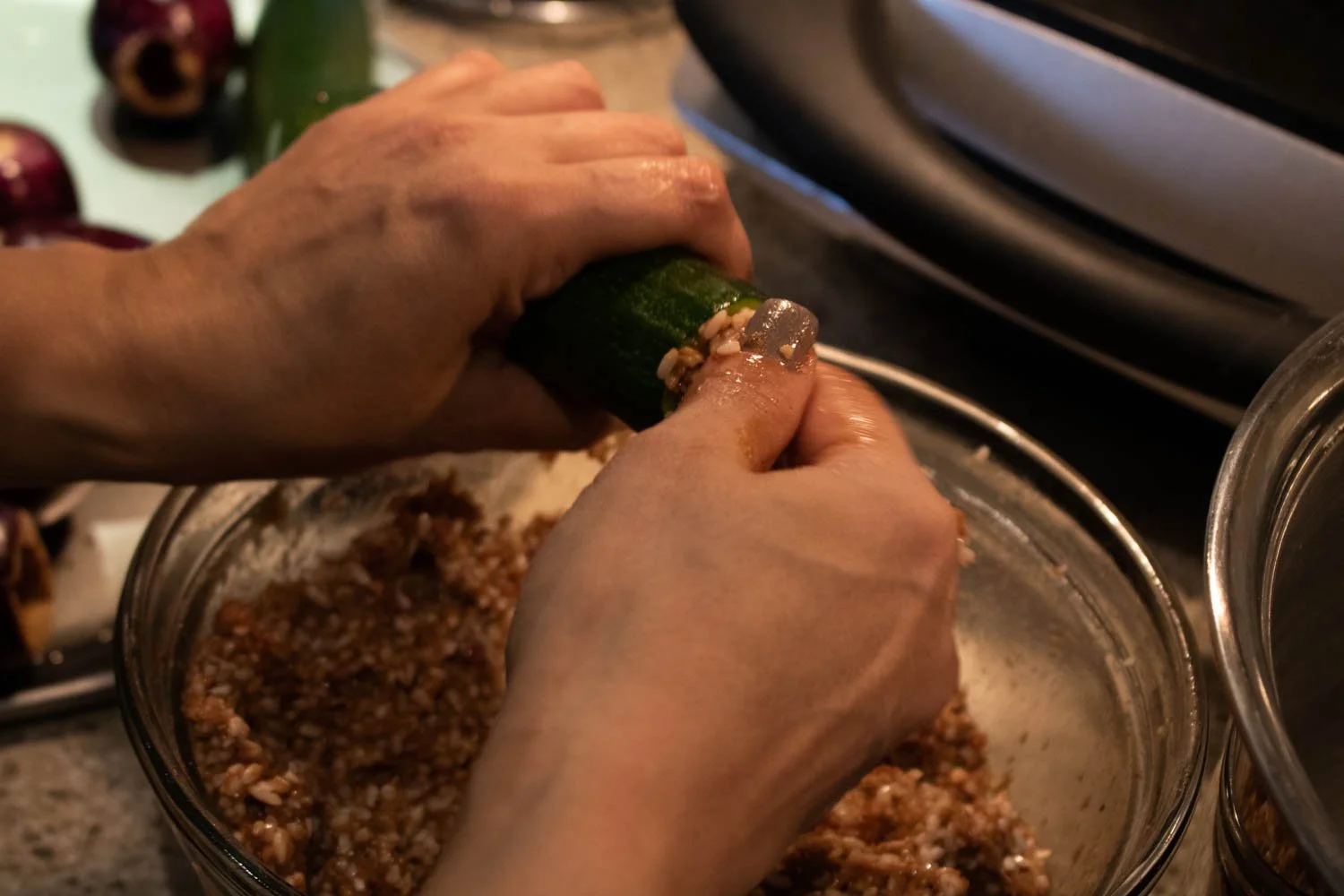
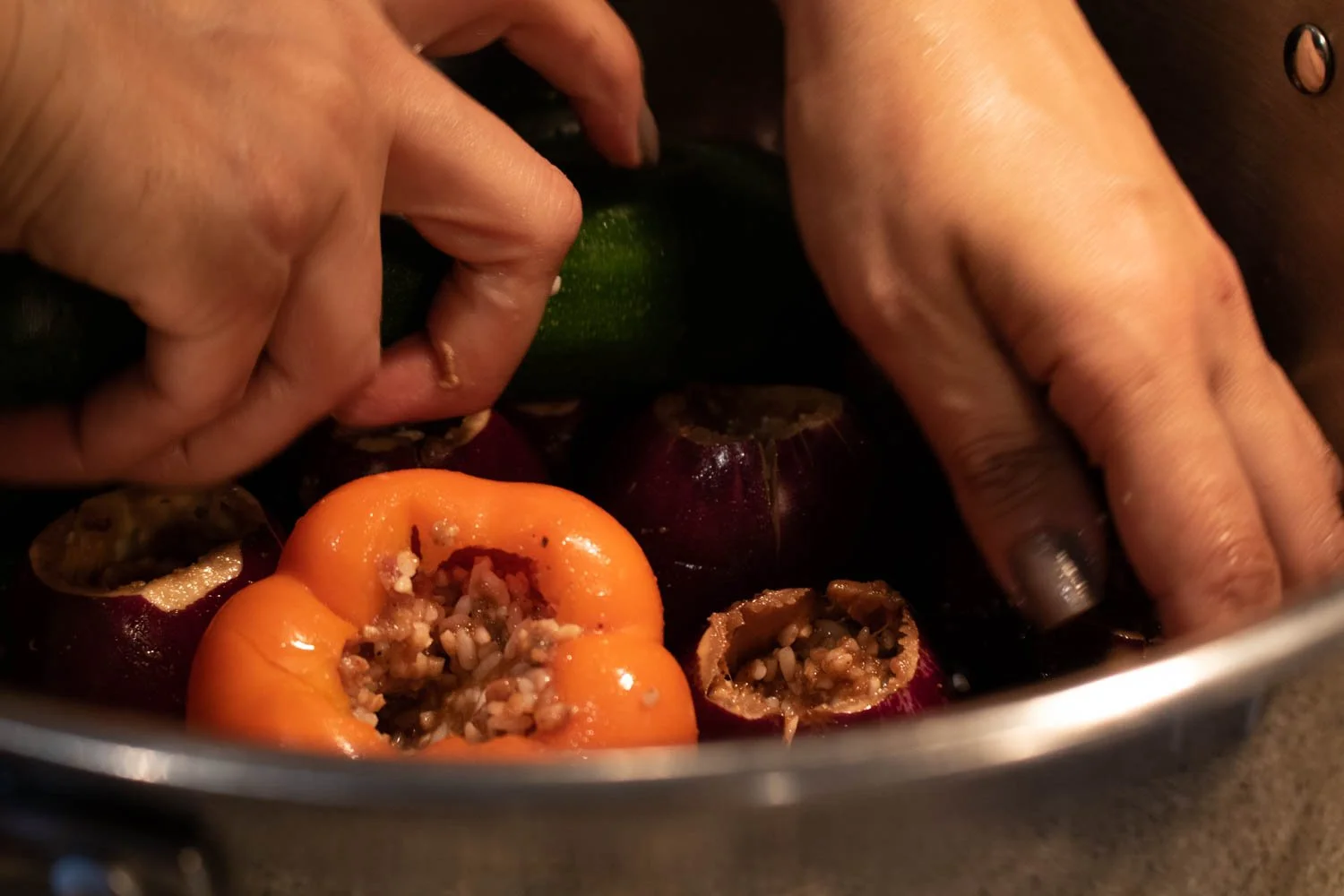
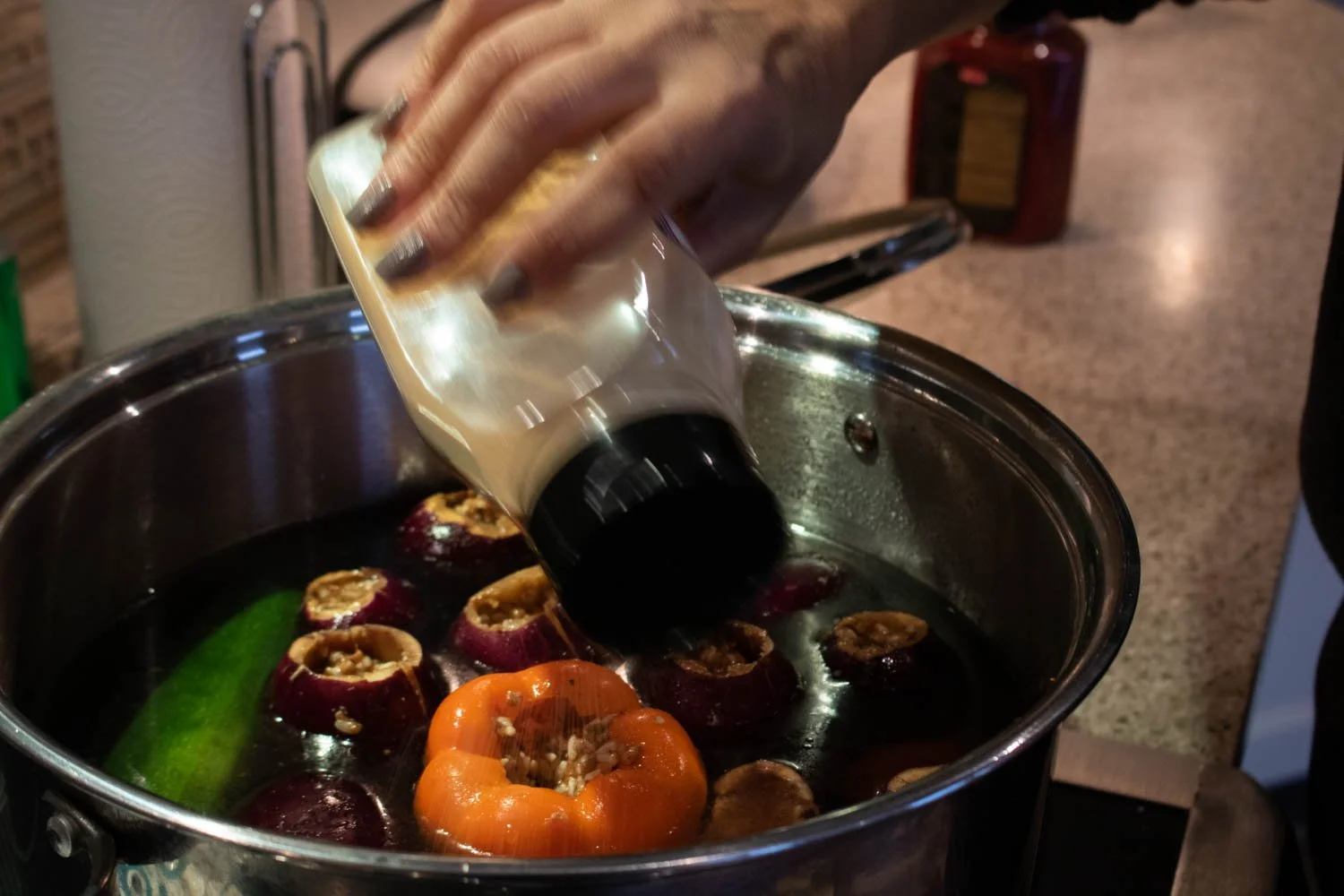
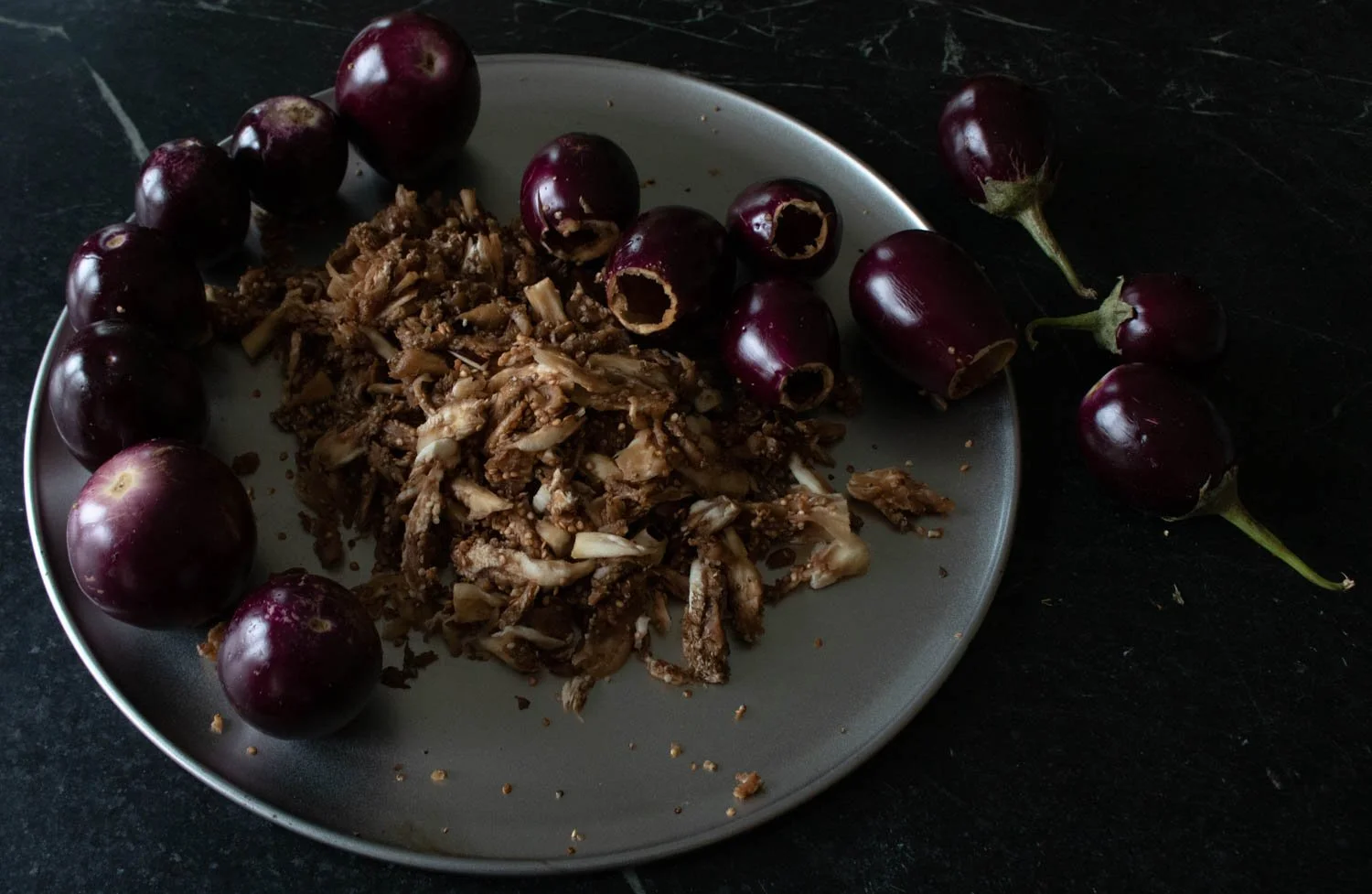
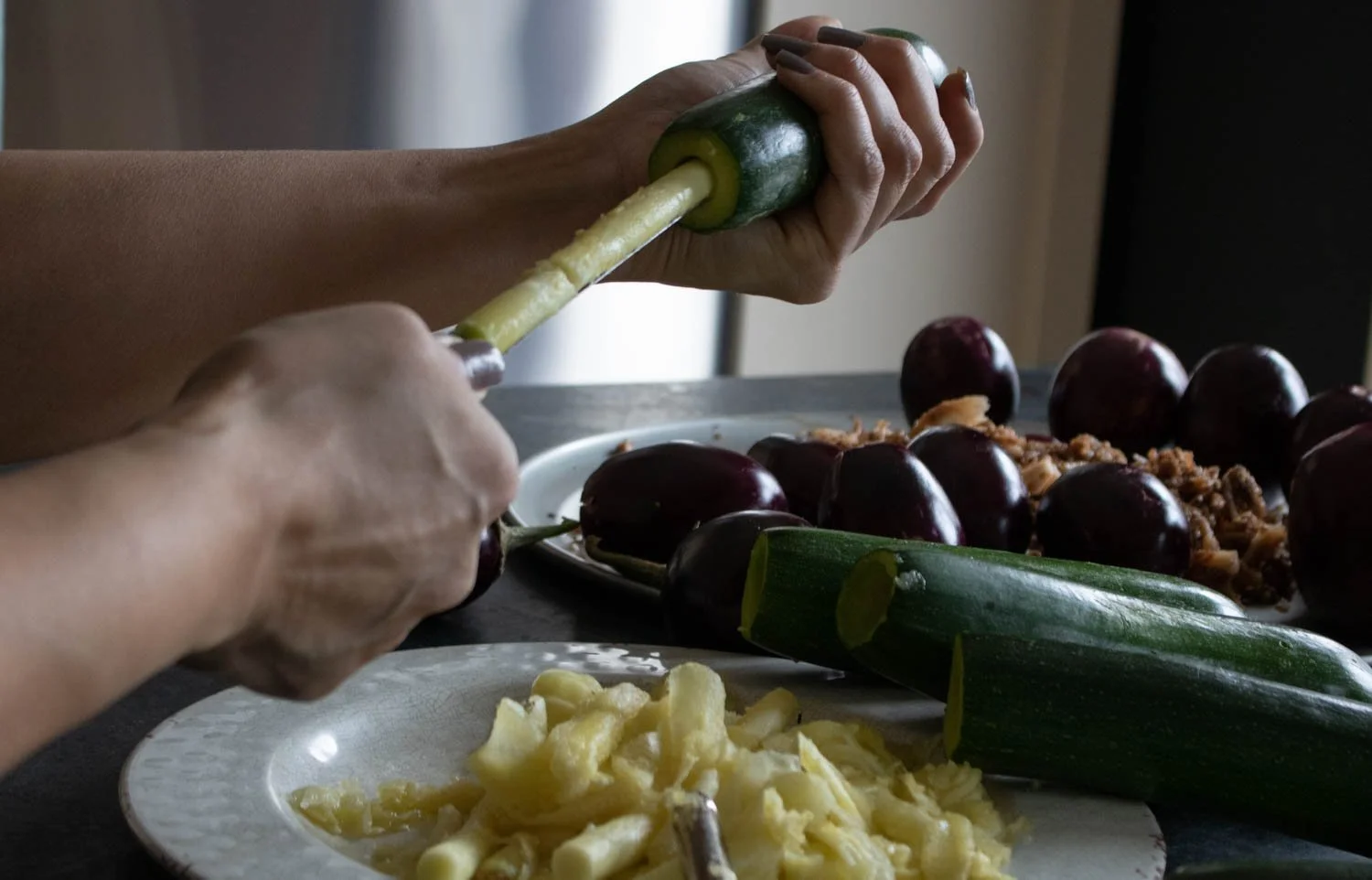
Mahshi (Stuffed) is a widely known middle eastern dish that originated throughout the ottoman empire. It is made up of stuffed vegetables like zucchini, eggplant, and sometimes bell peppers. To make Mahshi you need to start with emptying the vegetable cores to make space for the stuffing. The vegetables are stuffed with a mixture of rice, onions, ground beef, onions, garlic, and tomato paste. The Mahshi’s recipe varies from home to home, which is what makes it special and personal to every middle eastern family. But at the end of the day, there is always a core recipe and ingredients to fall back on which is eggplants, zucchinis, and rice with beef.
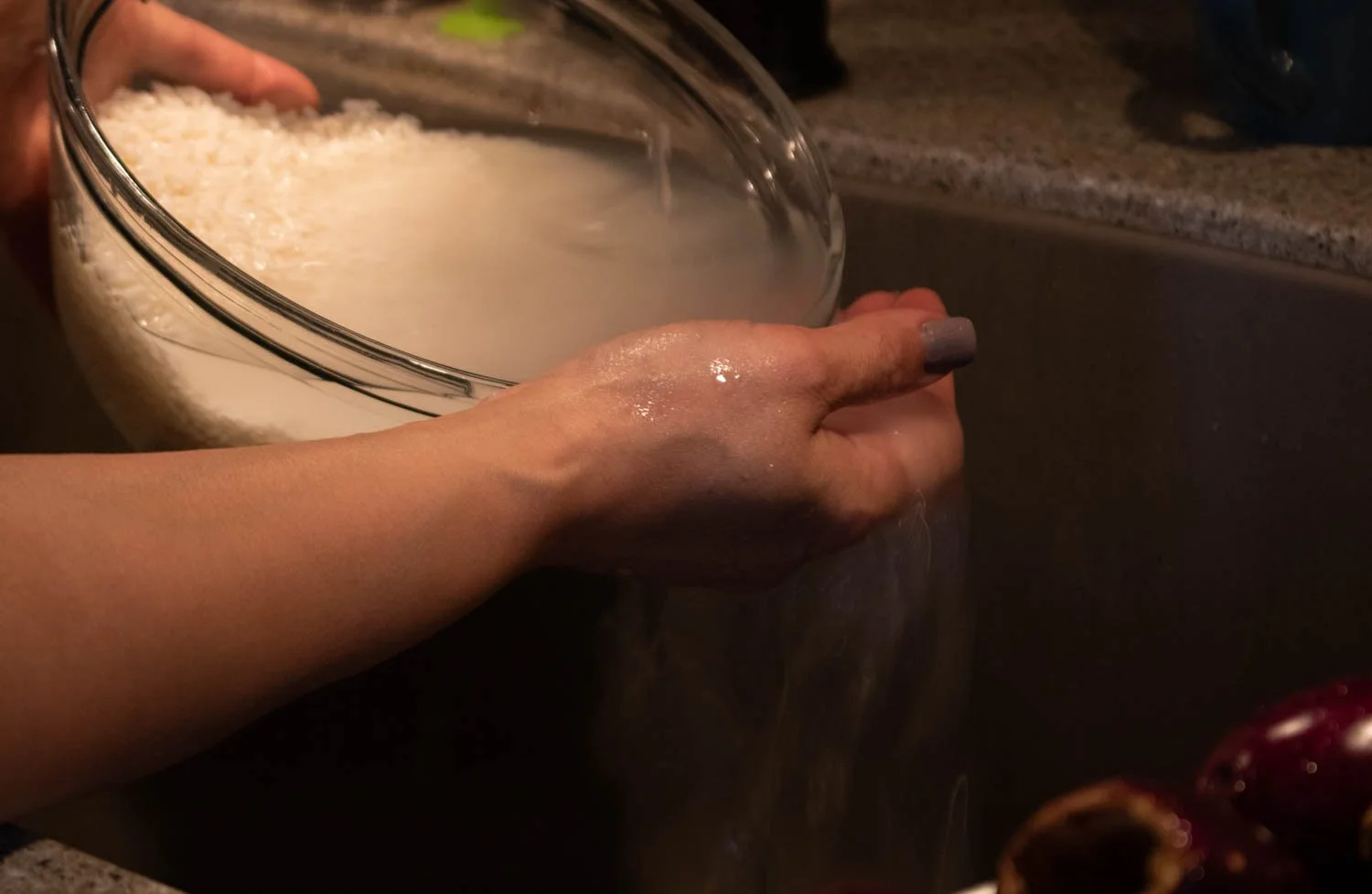
Rice is a big nutrition source in middle eastern countries. You will find it in most main meals whether as a side or as a stuffing. Mahshi is not the only meal made with rice as a stuffing, another popular dish (and a personal favourite) is stuffed vine leaves or in Arabic “warak enab”.
Cooking and preparing these foods is therapeutic in a way. This is because they are very hands-on, they force you to live in the moment because the second you lose concentration you break the vegetables or cut the leaves wrong. Personally, these foods have also been a major way for me to bond with my mom. Because they are made piece by piece, when we have a family gathering and want to serve these foods, we have to make a huge amount. That is when me and my mom sit down behind the kitchen table, cut, mix, and stuff the food together while talking, listening to music, and sometimes smoking shisha.